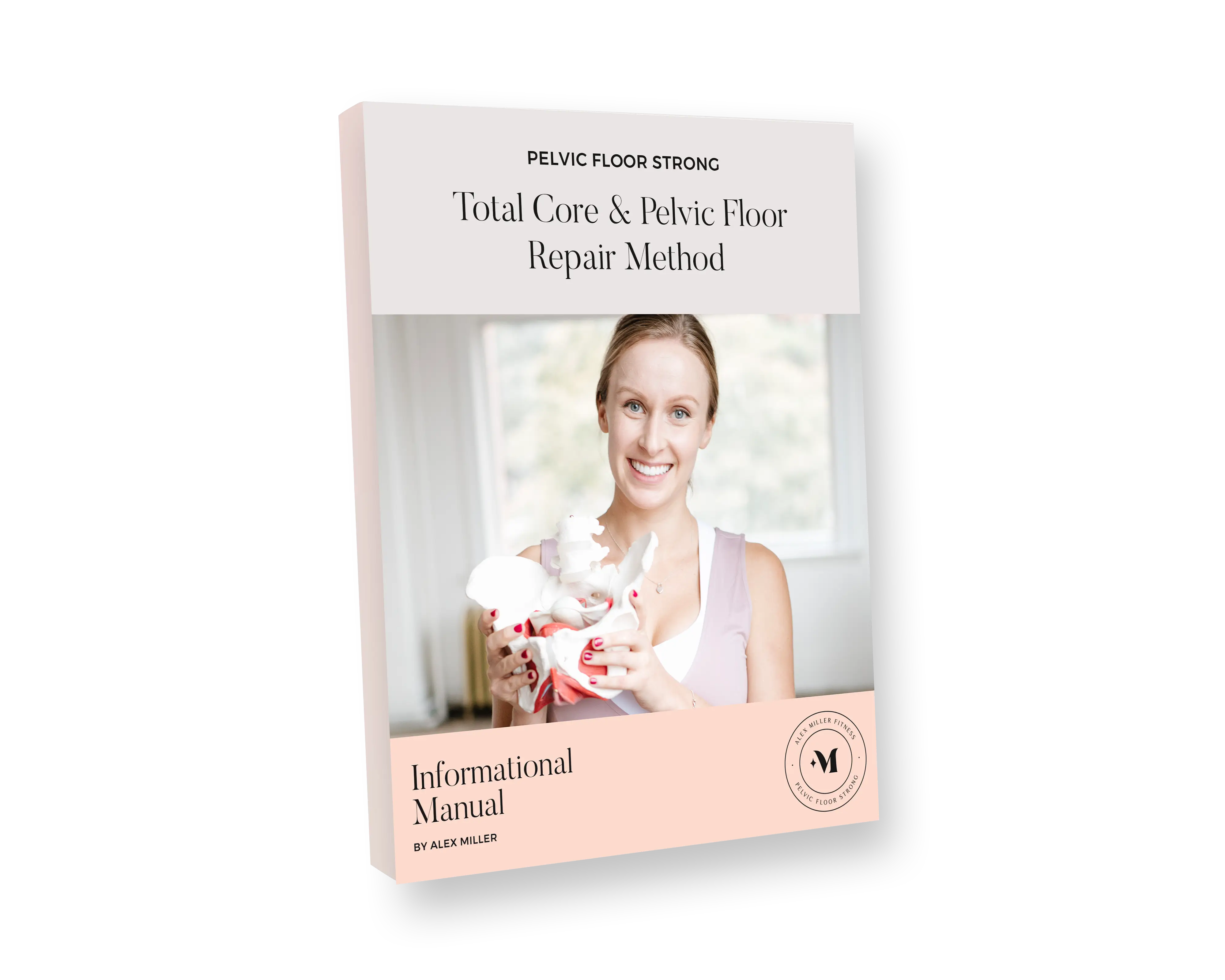
Pelvic Floor Strong is a pelvic floor strength program created by Alex Miller that helps women rebuild pelvic floor strength to reduce bladder leakage and other common pelvic health symptoms.
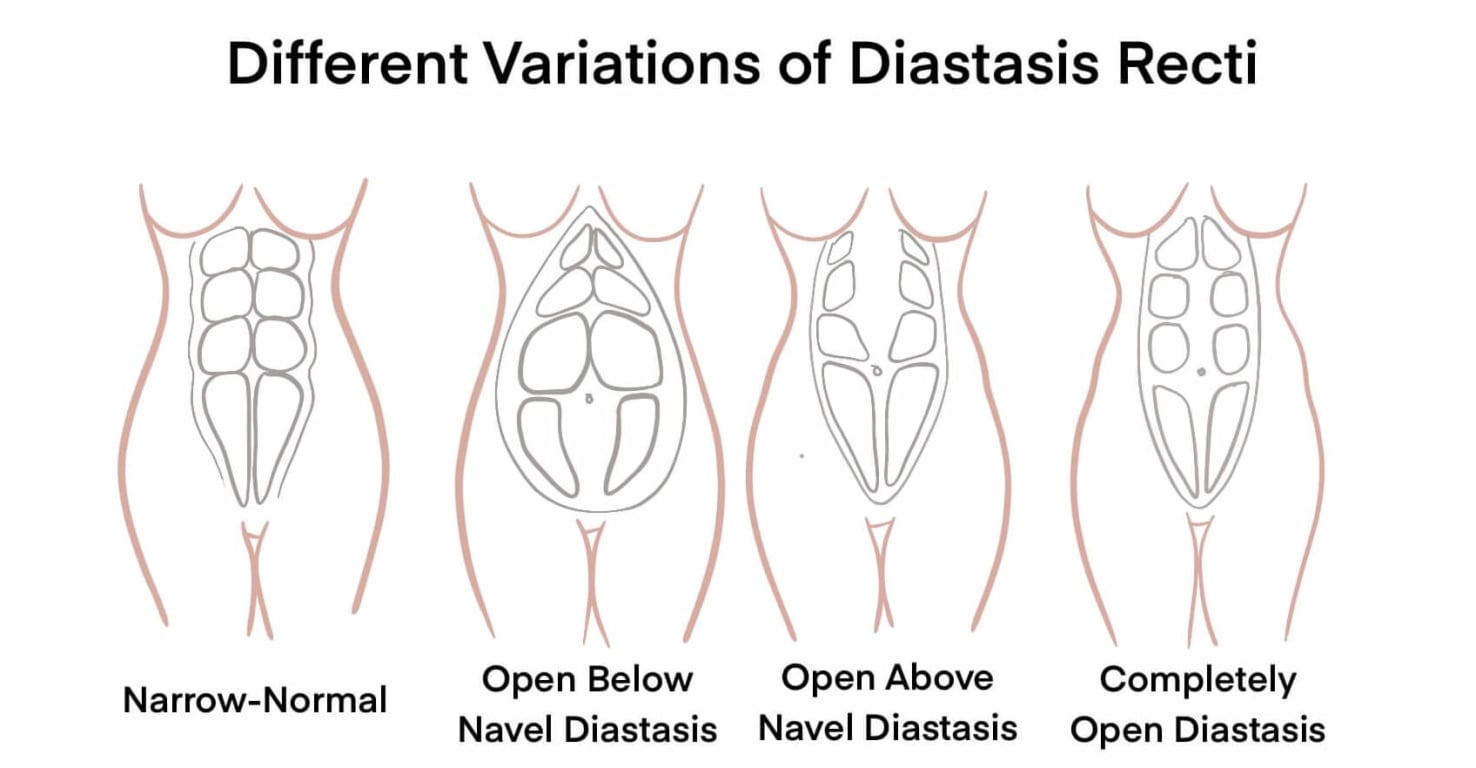
Pelvic Floor Strong uses a simple, progressive 3-step movement plan designed to train the pelvic floor and surrounding floor muscles so they work better during daily life, reduce bladder leakage, and support core recovery after pregnancy (including help for diastasis recti).
Many women face challenges such as urinary incontinence, pelvic floor dysfunction, and postpartum recovery that can affect daily life and confidence. This article offers a practical review of Pelvic Floor Strong and how it may help you rebuild pelvic strength and regain control.
Pelvic Floor Strong is presented as a non‑invasive program of targeted exercises designed to strengthen pelvic floor muscles and support overall pelvic health. Whether you’re working on bladder control after childbirth or managing pelvic dysfunction, the Pelvic Floor Strong program focuses on simple daily movements to improve muscle support and core stability.
Pelvic Floor Strong reviews from users often praise the program’s straightforward approach and measurable results—many report fewer leaks and improved comfort during everyday activities. While individual outcomes vary, the system aims to restore muscle strength and give women practical tools to improve pelvic floor function.
If you want a clear look at what this program includes and whether it might be a good fit, read on to learn how Pelvic Floor Strong works, what benefits users report, and when to consult a health professional.
Pelvic Floor Strong is a program created by Alex Miller, a women’s health–focused fitness instructor. The system is aimed primarily at women over 40 who want to address common pelvic floor concerns such as leakage, urgency, and decreased pelvic support through a structured exercise plan.
The program centers on targeted routines to engage the pelvic floor muscles and supporting core musculature. It combines pelvic floor–specific work (including Kegel-style contractions) with core and posture exercises intended to improve overall muscle support and movement patterns—approaches that some clinicians say can also help with body composition and a flatter belly when combined with general healthy lifestyle habits.
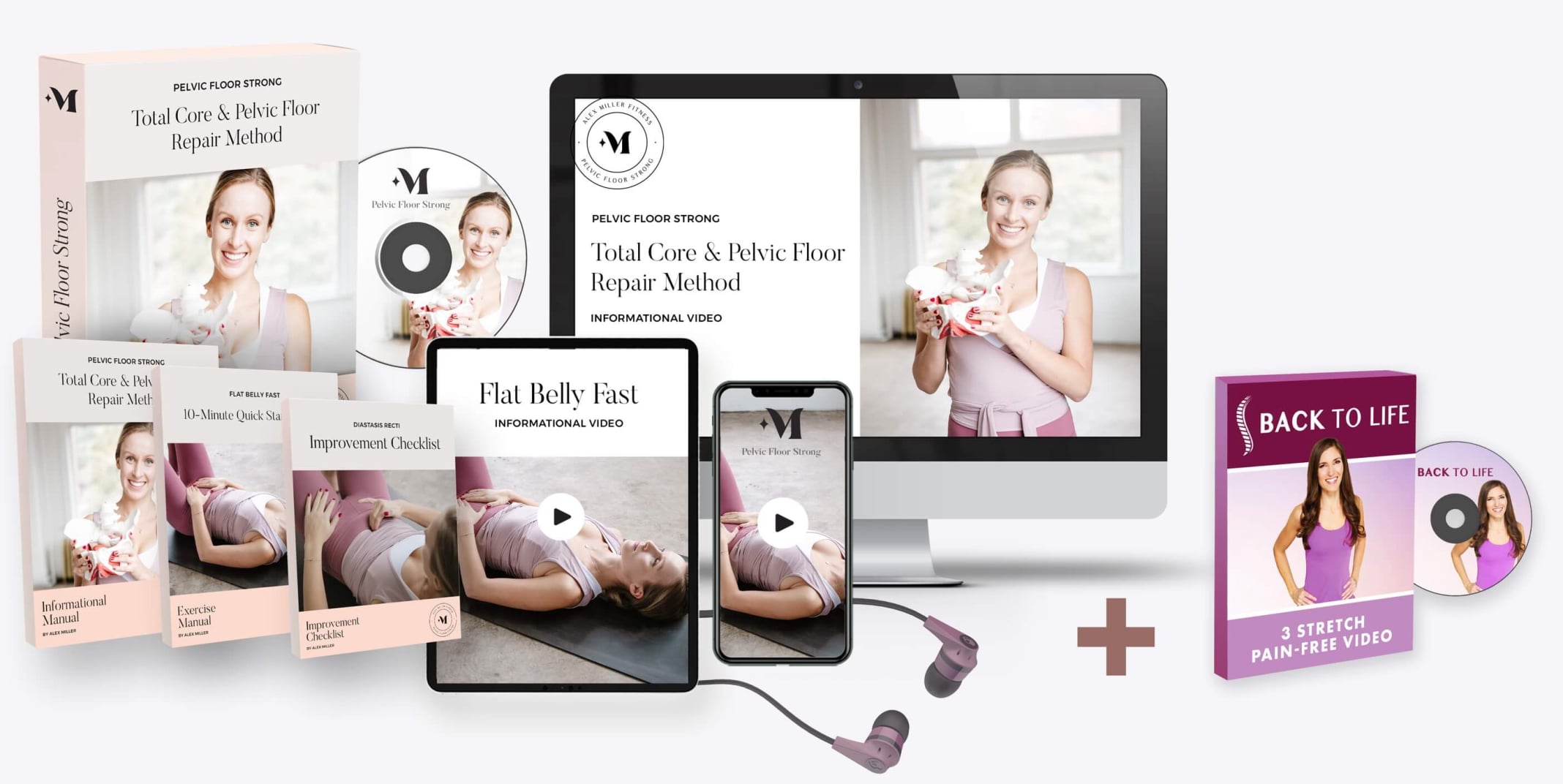
Pelvic Floor Strong is offered in digital and physical formats and presents daily, easy-to-follow exercises that many users find simple to fit into home routines. If you have moderate pelvic floor weakness, this type of exercise program may be appropriate; however, if you have severe symptoms, organ prolapse, or recent pelvic surgery, consult your primary care provider or a pelvic health specialist before starting.
Pelvic Floor Strong was developed by Alex Miller, a fitness instructor with a focus on women’s health and a background in Pilates, functional movement, prenatal and postnatal exercise, meditation, and strength training.
She created the program to give women practical, exercise‑based tools to support pelvic floor muscles and improve urinary health and overall core function. Many user reviews cite her clear coaching style and easy-to-follow routines as reasons they were able to make pelvic care part of their daily life.
Note: when evaluating any program, check a creator’s listed credentials and endorsements. If you have complex medical concerns—severe pelvic pain, organ prolapse, recent pelvic surgery, or persistent incontinence—consult your primary care provider or a pelvic health specialist before beginning an exercise plan.
Pelvic Floor Strong is built around a progressive set of exercises, expert instruction, and video demonstrations intended to help women strengthen their pelvic floor and supporting core muscles. The program combines pelvic‑specific techniques with whole‑body movement to improve muscle support, posture, and function.
The creator includes a variety of exercise types, such as Kegel and pelvic floor contractions, targeted core work for the lower abdomen and hips, diastasis recti–focused movements, and posture‑improving drills that together aim to support bladder and bowel control.
Kegel exercises: These guided contractions target the pelvic floor muscles to improve voluntary control of the bladder and bowel. Typical guidance for pelvic floor training is to practice short holds and longer holds throughout the day (for example, brief 1–3 second squeezes and longer 5–10 second holds repeated in sets), progressing as strength improves—follow the program’s exact seconds, repetitions, and sets recommendations.
Core exercises: These movements engage the deep core, lower back, hips, and pelvis to restore coordinated support for the pelvic floor. Strengthening the core can reduce downward pressure on the floor muscles and help stop leaks during movement.
Posture and mobility: Exercises that improve pelvic alignment, lower back mobility, and hip stability help the pelvic floor work more efficiently. The program also includes gentle neck and shoulder stretches and breathing‑focused drills to support overall body alignment.
Weight‑management and whole‑body conditioning: Pelvic Floor Strong offers low‑impact routines and activity progressions aimed at improving fitness and supporting healthy body composition when combined with sensible nutrition and lifestyle habits.
Managing incontinence and safety: The program includes easy‑to‑follow videos showing proper form and modifications. It can address stress and urgency symptoms for many users, but if you have severe incontinence, suspected organ prolapse, recent pelvic surgery, or pain, consult a primary care provider or pelvic health specialist before starting. Follow professional guidance on appropriate progression and use recommended hold times, repetitions, and sets to safely help strengthen the pelvic floor.
Enhanced core stability: Strengthening the pelvic floor and surrounding core muscles can improve posture, balance, and everyday functional strength—helping your body move with more confidence and reducing fall risk for some individuals.
Reduced incontinence symptoms: Many users report a significant reduction in urinary incontinence (fewer leaks, better bladder control) after consistently following pelvic floor exercises. Language is intentionally cautious: results vary by person and severity of symptoms.
Improved intimate comfort and confidence: Better pelvic floor strength can improve vaginal muscle tone and pelvic sensation for some women, which users say can increase confidence during intimacy.
Lower back support: A stronger pelvic floor and coordinated core can relieve strain on the lower back by improving how the pelvis and spine share load during movement.
Support for postpartum recovery: Post-pregnancy, targeted exercises can help restore pelvic floor muscles, support diastasis recti recovery, and speed return to pre‑pregnancy movement patterns when combined with appropriate guidance.
Better bowel function for some users: Pelvic floor exercises can improve control over bowel movements in cases where pelvic weakness contributes to symptoms; individual outcomes differ and severe bowel issues should be reviewed by a clinician.
Holistic pelvic health approach: Pelvic Floor Strong pairs exercise routines with education about pelvic floor anatomy, breathing, and posture so users learn how muscles support pelvic organs and how to incorporate training into daily life.
Mental and quality‑of‑life benefits: Reduced anxiety about leaks, greater confidence in social and physical activities, and a sense of control over pelvic health are commonly reported by people who stick with a program.
Important caution: while pelvic floor strengthening can help many women, it is not a substitute for medical care. If you suspect organ prolapse, have severe incontinence, pelvic pain, or recent surgery, consult your primary care provider or a pelvic health specialist before beginning. Follow recommended seconds for holds, and the program’s suggested repetitions and sets to help safely strengthen pelvic floor muscles.
If you want a clear look at what this program includes and whether it might be a good fit, read on to learn how Pelvic Floor Strong works, what benefits users report, and when to consult a health professional.
Pelvic Floor Strong Program is available exclusively through its official website. Purchasing directly from the manufacturer guarantees you receive the authentic program, ensuring the highest quality and effectiveness. Plus, you’ll gain access to exclusive discounts, special promotional offers, and a comprehensive 60-day money-back guarantee.
Overall, Pelvic Floor Strong Program appears to offer practical value for many women, especially those over 40 who want to work on pelvic floor strength with a short, home‑based routine. The program’s guided exercises are designed to be done in just a few minutes a day and focus on strengthening the pelvic floor muscles and supporting core to help improve bladder control and daily comfort. Individual results vary by starting strength and consistency.
This program is simple to follow at home and pairs exercise instruction with educational guidance on pelvic health. If your goal is to strengthen pelvic floor function and reduce mild-to-moderate urinary incontinence, Pelvic Floor Strong may be a helpful, cost‑effective option. However, if you have severe incontinence, suspected organ prolapse, pelvic pain, or recent pelvic surgery, make an appointment with your primary care provider or a pelvic health specialist before beginning any new exercise plan.
Final tip: follow the program’s recommended seconds for holds and suggested repetitions and sets, stop if you experience pain, and seek professional care if symptoms don’t improve. If you decide to try the program, track your progress so you can objectively assess results over weeks and months.
Pelvic Floor Strong is a well-regarded program developed by fitness expert Alex Miller. It’s designed to strengthen the pelvic floor muscles, making it especially beneficial for women dealing with urinary incontinence or similar concerns.
Unlike surgery or medication, Pelvic Floor Strong takes a natural, non-invasive approach using guided exercises. It focuses on rebuilding strength and control through targeted movement — a practical and effective alternative.
This program is ideal for women experiencing pelvic floor challenges, such as postpartum mothers or those managing stress incontinence. It’s also great for anyone wanting to improve core strength, stability, and posture.
For best results, it’s recommended to follow the program consistently as outlined in the provided materials. Regular practice is key to long-term improvement.
If you experience any discomfort or pain, stop immediately and consult a qualified healthcare professional before continuing. Your safety and well-being come first.
The information provided on this website is for educational and informational purposes only and should not replace professional medical advice, diagnosis, or treatment. Always consult a qualified healthcare provider before making any changes to your lifestyle, health regimen, or treatment plan. If you have any questions or concerns about your health or medical conditions, please speak with your doctor.
Statements made on this website have not been evaluated by the U.S. Food and Drug Administration (FDA). The products offered are not intended to diagnose, treat, cure, or prevent any disease. If you are pregnant, nursing, taking medication, or have an existing medical condition, consult your healthcare provider before using our products.
All content on this site, as well as any products sold, reflects the author’s personal opinions and is provided strictly on an “AS IS” and “AS AVAILABLE” basis. We encourage you to conduct your own research, verify information through trusted sources, and consult a qualified healthcare professional before following any recommendations or protocols shared here.
Copyright © 2025 - Pelvic Floor Strong Review